Understanding Catastrophe Bonds
A Risk-Linked Security
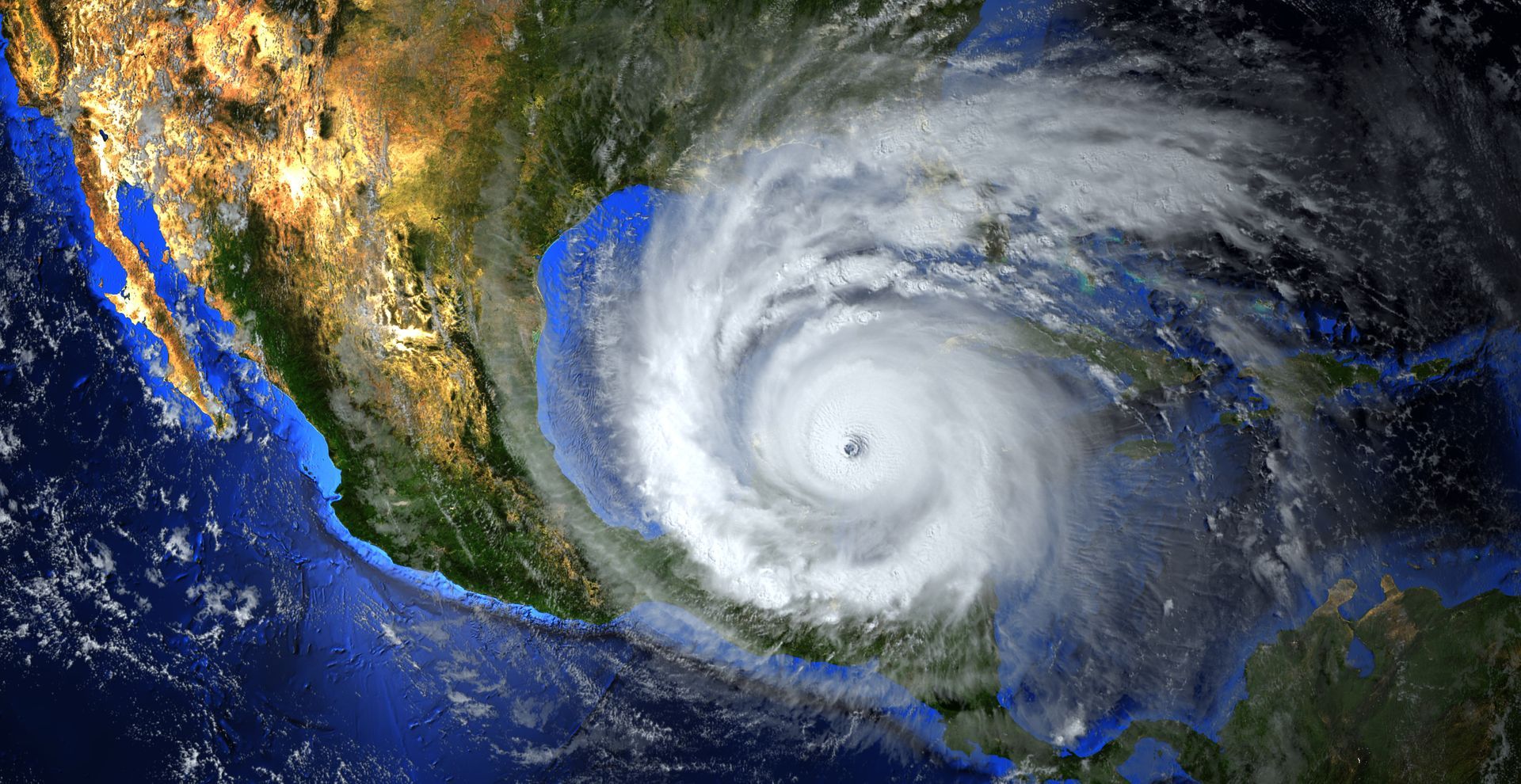
Major disasters are difficult to predict, and even harder to prevent. Hurricanes, earthquakes, floods, cyberattacks—the list goes on. These calamities are becoming increasingly common and costly, giving catastrophe bonds (or cat bonds) a growing role in the fixed-income market. These risk-linked securities not only offer high yields but also provide diversification benefits, since they are largely uncorrelated with traditional market risks. For fixed-income professionals, understanding and leveraging cat bonds can unlock unique opportunities in portfolio construction.

What Are Catastrophe Bonds?
Catastrophe bonds are essentially insurance for insurance agencies. These specialized financial instruments transfer catastrophe risk from the insurance companies or government entities that issue the bonds to investors. In exchange for taking on this risk, investors receive regular coupon payments and a return of principal at maturity—assuming no triggering event (a “catastrophe”), occurs during the bond’s life.
Cat bonds are designed to help issuers manage risk while offering investors an attractive alternative investment. For example, a reinsurer might issue a cat bond to protect against losses from hurricanes. If a qualifying hurricane occurs, the bond’s proceeds are used to cover losses instead of being returned to investors.
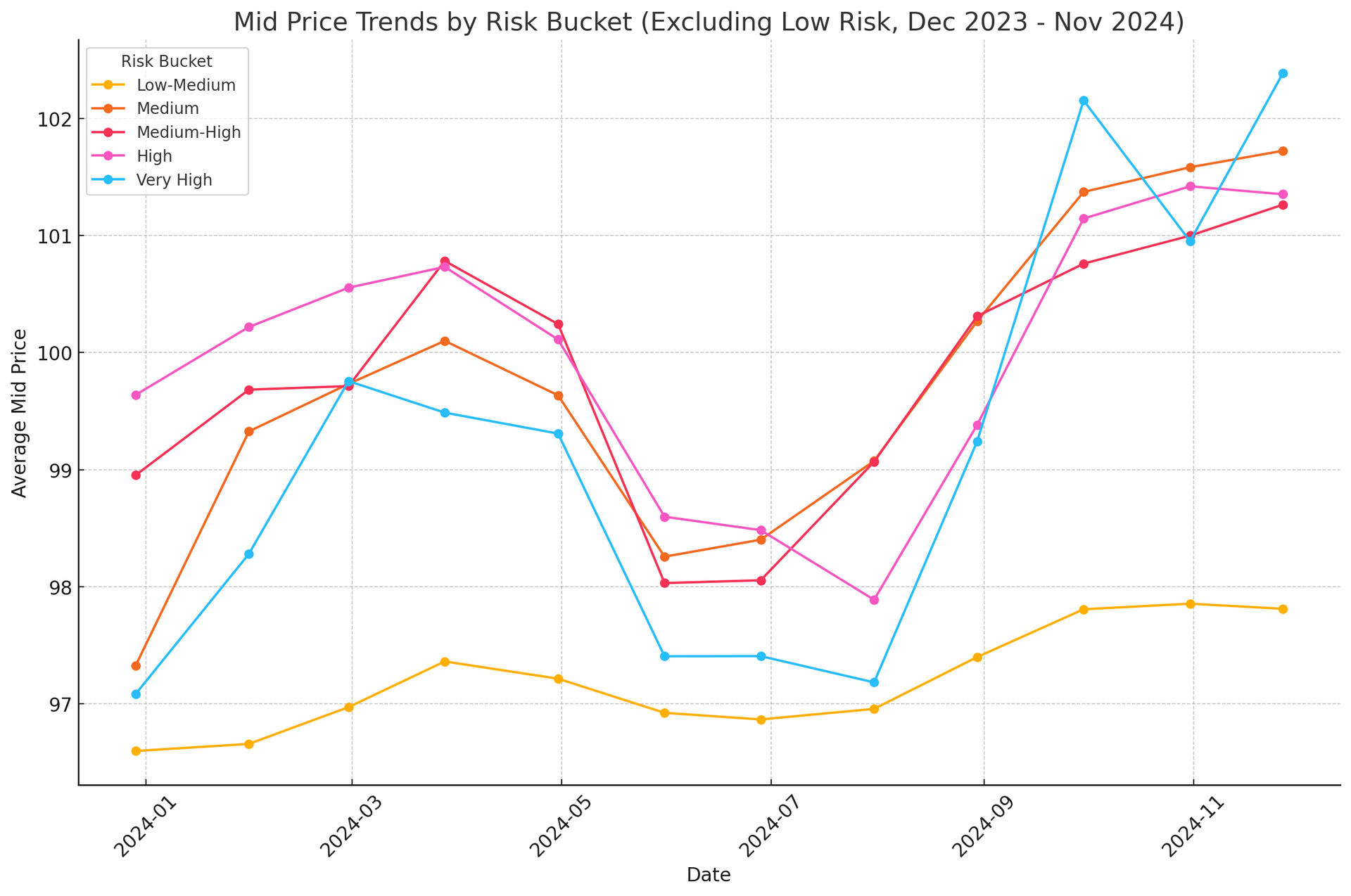
The above chart displays a sample display of SQX Cat bond data
Why Cat Bonds Matter for Fixed-Income Portfolios
Cat bonds are very appealing to investors seeking non-correlated returns and diversification. Because their performance is tied to natural events rather than financial markets, they can provide stability during periods of market volatility. Additionally, their high yields make them attractive to investors seeking enhanced returns. As they say, “high risk, high reward.”
For fixed-income professionals, incorporating cat bonds into a portfolio requires a deep understanding of the risks, opportunities, and underlying data. Reliable data is crucial to making informed decisions and avoiding pitfalls.

Essential Cat Bonds Data Fields
SQX is proud to provide catastrophe bond information. We offer a daily-updated file with both pricing data and reference data for cat bonds—ensuring that our clients always have up-to-date information. Our cat bond file includes the below data fields:
- Description: A brief summary of the bond, often including details about the sponsor, covered perils (e.g., hurricanes, earthquakes), and geographic focus.
- Size: The total issuance amount, reflecting the scale and importance of the bond in the market.
- Notional Outstanding: The remaining principal amount of the bond. This figure helps gauge the bond’s liquidity and market activity.
- Stated Coupon: The interest rate the bond pays to investors, expressed as a percentage of the notional amount.
- Pricing Date: The date the bond’s pricing information was last updated.
- ISIN (International Securities Identification Number): A unique 12-character identifier.
- Maturity Date: The bond’s expiration date, when the principal is repaid—assuming no triggering event occurs.
- Bid Price/Ask Price: The prices at which buyers are willing to purchase and sellers are willing to sell the bond. These provide insight into market liquidity and sentiment.
- Bid Spread/Ask Spread: The yield margins relative to a reference rate (e.g. SOFR) that buyers and sellers are willing to accept.
- Mid Price/Mid Spread: The average of bid and ask values, representing a fair market estimate of the bond’s price and yield.
- Attachment Probability: The likelihood that losses will reach the bond’s attachment point, triggering a payout to the issuer. A higher attachment probability indicates greater risk.
- Expected Loss: A key metric indicating the anticipated percentage loss of the bond’s principal due to triggering events.
- Trigger Type: The mechanism that determines if the bond is triggered. Common triggers include:
- Indemnity: Based on the issuer’s actual losses.
- Parametric: Based on measurable parameters, like wind speed or earthquake magnitude.
- Modelled Loss: Based on simulations of potential losses.
- Industry Loss: Based on industry-wide loss estimates.
- Hybrid: A combination of triggers.
- Risk: A summary measure of the bond’s risk level, incorporating attachment probability, expected loss, and trigger type.

Conclusion
Catastrophe bonds are an innovative asset class in the fixed-income world. With their unique risk-reward profile and diversification benefits, they can be a valuable addition to any portfolio. However, understanding their nuances and risks is essential. As cat bonds become increasingly relevant, investors armed with SQX’s cat bond pricing and reference data will be equipped to confidently navigate this intricate and specialized market.
Want more SQX updates? Follow SQX on LinkedIn and subscribe to our
LinkedIn
newsletter to stay ahead of the curve.
Latest News